
By George James
Holocaust Memorial Day is celebrated on the 27th of January every year as this is the anniversary of the liberation of the Nazi death and concentration camp Auschwitz-Birkenau.
The Holocaust was the murder of approximately six million Jewish men, women and children by Nazi Germany and its collaborators during the Second World War.
Every year Holocaust Memorial Day has a theme, and this year’s theme was ‘ordinary people’. This is to highlight that in every genocide both the perpetrators and the victims are mostly made up of ‘ordinary’ people and focuses on the fact that whilst the victims of genocide often don’t face a choice, the perpetrators always have a choice to make.
Why is Holocaust memorial day so important?
Holocaust Memorial Day is the day for everyone to remember the millions of people murdered in the Holocaust, under Nazi Persecution, but also the genocides which followed in Cambodia, Rwanda, Bosnia, and Darfur.
The aim of Holocaust Memorial Day is to ensure the Holocaust is never forgotten and its lessons are learnt for future generations.
The Holocaust not only refers to the loss of millions of lives, but also the disappearance of cultures, communities, languages and traditions.
It is incredibly important to educate people about past genocides to ensure that such an atrocity can never happen again.
What kind of things happen on Holocaust Memorial Day?
Here in Liverpool, there was a remembrance service held at the town hall and in the build up to this service the City Council released stated that “Liverpool is committed to promoting understanding and awareness of the Holocaust”.
On a wider scale, charities like the Holocaust Educational Trust run events internationally to commemorate the day.
One of the projects run by the Holocaust Educational Trust is the Lessons from Auschwitz (or LFA) project. The LFA project offers post-16 students the opportunity to attend two one-day seminars, where they will meet Holocaust experts and hear from Holocaust survivors to learn about the individuals whose lives were affected by the Holocaust and to reflect on the relevance of the Holocaust on today’s society.
As well as these seminars the LFA project also offers students the opportunity to visit the Auschwitz-Birkenau camp and a nearby town in Poland in order to experience first hand the harrowing history of the Holocaust.
The aim of this project is to encourage these students to return to their places of education and to share their experience with their peers, to spread awareness and understanding of the Holocaust to the next generation.
I was lucky enough to be a part of this project in 2018 and it is an experience I will carry with me for the rest of my life.
What was it like taking part in the LFA project?
At the time I took part in the project I was only 16 and at such a young age I had never taken the time to properly think about the Holocaust. I vaguely knew what it was and had maybe done a class or two about it in history, but I did not understand the true scale of the Holocaust. Taking part in the LFA project opened my eyes to the true horrors of the Holocaust and it was a harrowing but highly educational experience.
I found the entire project but especially the visit to Auschwitz-Birkenau very humbling, now this may sound odd but at the age of 16 there are certain problems in life that seem massive, like the end of the world, but when I was stood in a Nazi gas chamber in the middle of a forest in Poland where thousands upon thousands of people had their lives ripped from them it put my problems into perspective.
My trip to Auschwitz made me realise how truly lucky I am to be alive and to live a life where I am not in any immediate danger of persecution for something I cannot even control. The biggest problems in my life were nothing compared to the problems faced by those affected by the Holocaust.
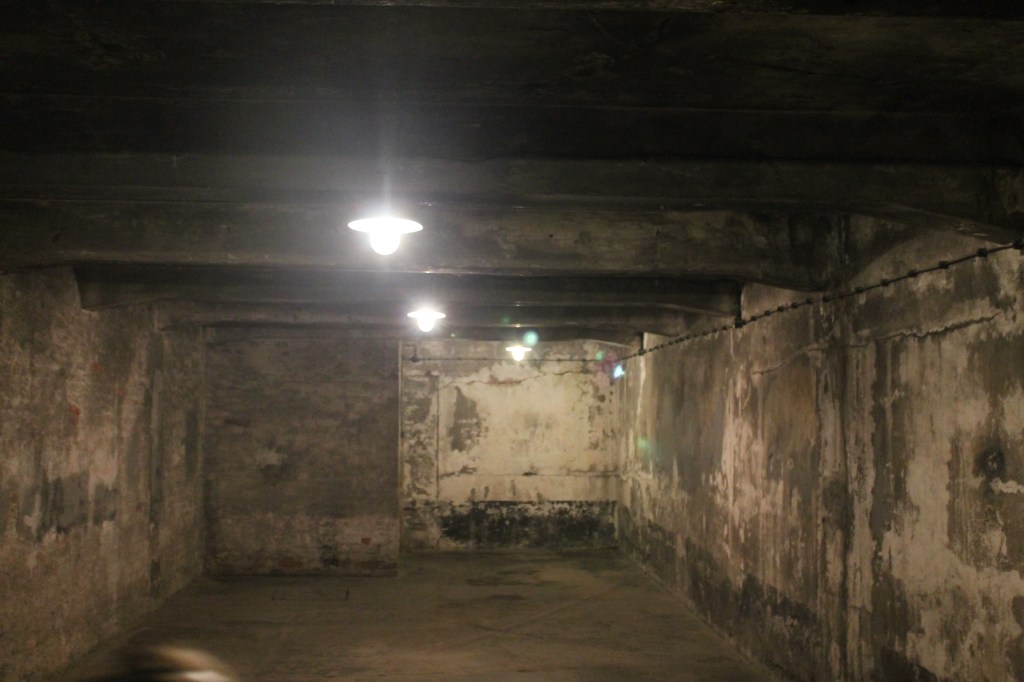
As well as seeing the gas chamber there were two other profound moments for me that day, the second was walking along the railway line and through the gates into the camp. Images of this scene are readily available online and are what a lot of people will picture when they think of Auschwitz, I myself had seen photos of this before I arrived but that did not prepare me for actually arriving into the camp. We walked maybe 300 metres along the railway track and through the gates, spending most of the walk in silence. This gave me the time to reflect on how thousands of innocent men, women and children would have arrived at the camp during the second world war not knowing what to expect. Many people had been lied to and were still hopeful that they would be able to reunite with their families and return to their homes in time. It was on this walk that the feeling of being at such a horrific place began to set in.

The third and I would argue most profound moment of the day came inside one of the buildings in the camp where, behind a glass screen, there are thousands and thousands of children’s shoes. The shoes were taken off the children as they arrived at the camp but were seen as too valuable to throw away by the Nazi’s so they were stored in warehouses at the camp. This is when it set in that the Nazis valued children’s shoes more than the actual human lives of the children they were taking these shoes off. It was only at this moment, when I stood in front of the pile of shoes that rose well over 6 feet tall that I truly understood the horror that had taken place almost exactly where I was stood less than 80 years earlier.
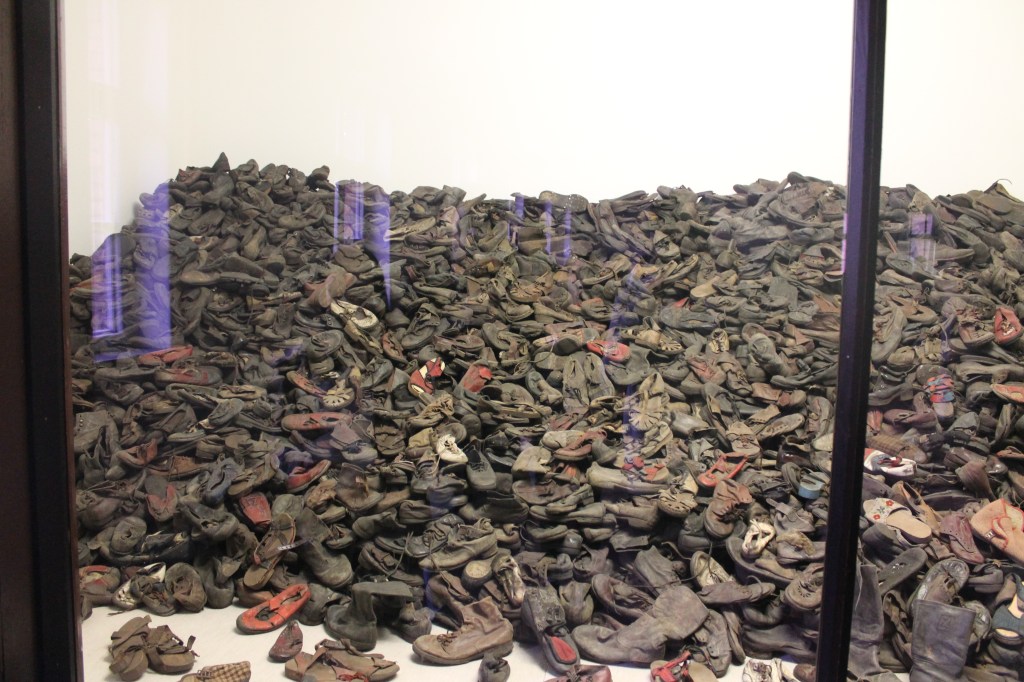
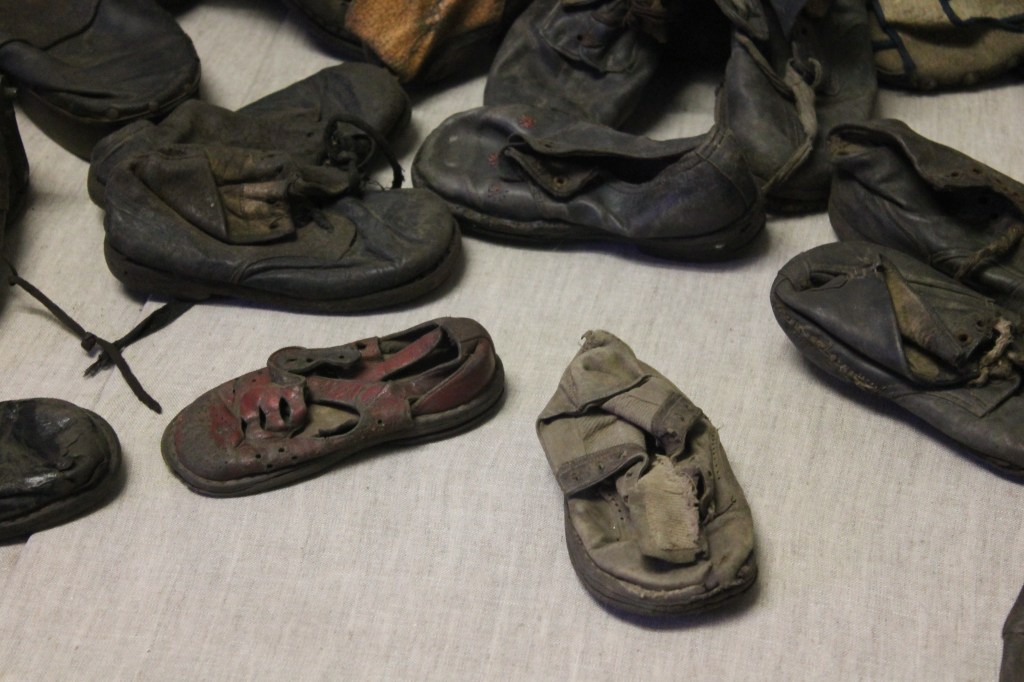
Life was made impossible for the victims at Auschwitz, the Nazi’s sewed salt into the land to stop grass from growing as they did not want prisoners to be able to eat the grass. It was a horrific place full of death and atrocity. But when you visit now the grass has started to grow again, there are wild flowers that stand where guard towers once stood, there are dear and birds that sing and thrive where so many people had previously cried and died. Time has moved on at Auschwitz-Birkenau and nature has started to forget what once happened there. This is why it is so important that we can never forget what happened there, unlike nature we must always remember exactly what took place at Auschwitz during the Holocaust and this is why charities like the Holocaust Educational Trust and the Holocaust Memorial Day are so important.
This article is an adaptation of a segment created for our show The Lunch Bunch, part of The Politics Hour on Liverpool Student Radio, on the 3/2/2023 which you can listen to here!
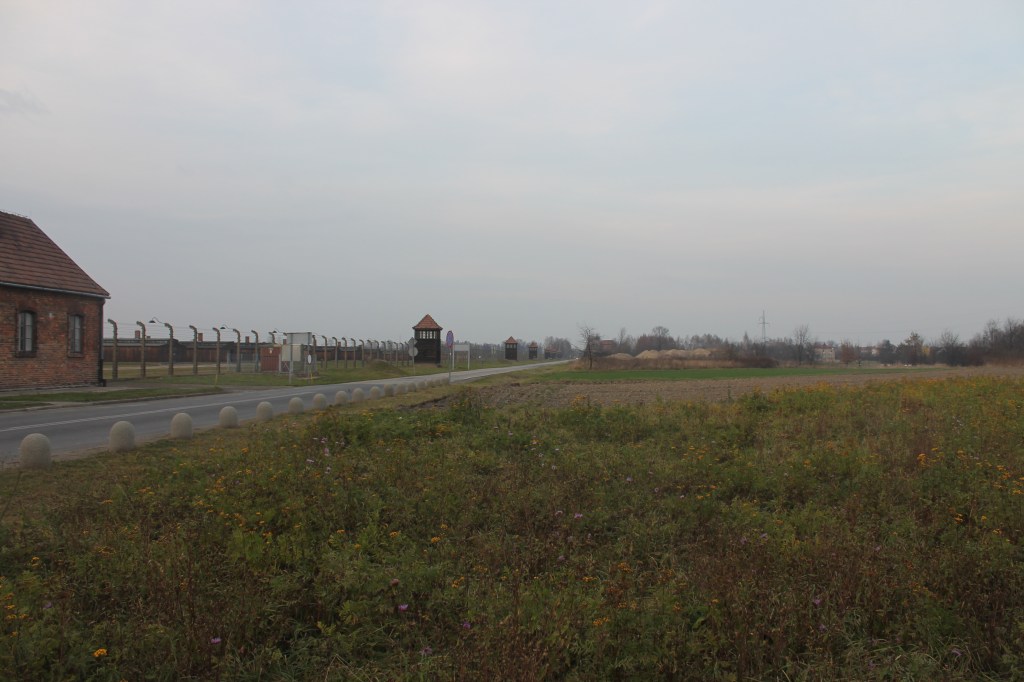

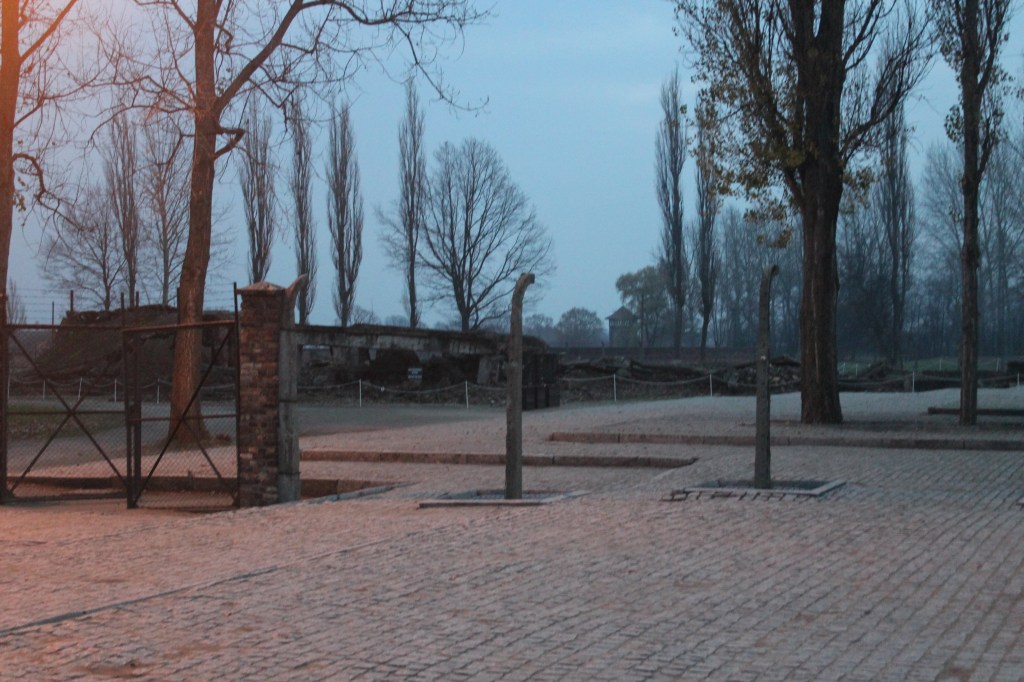
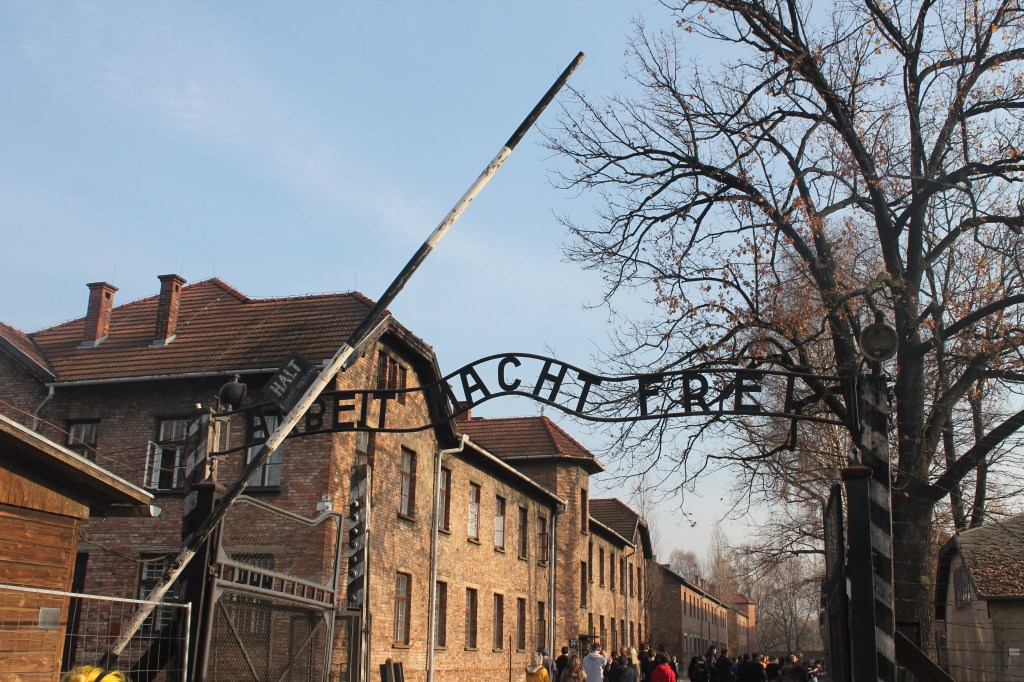

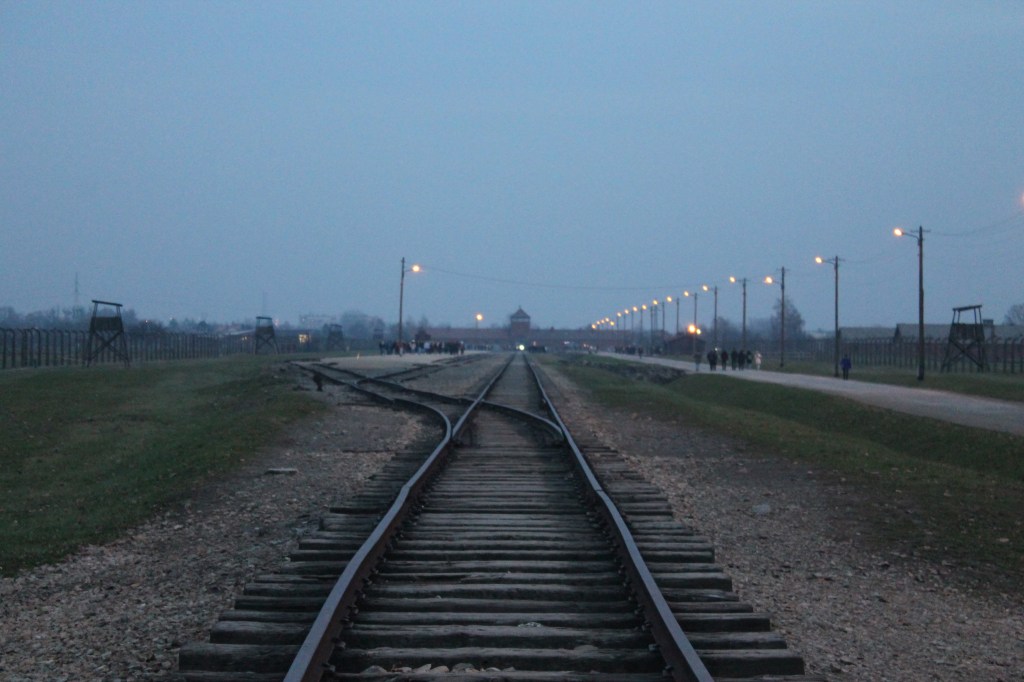
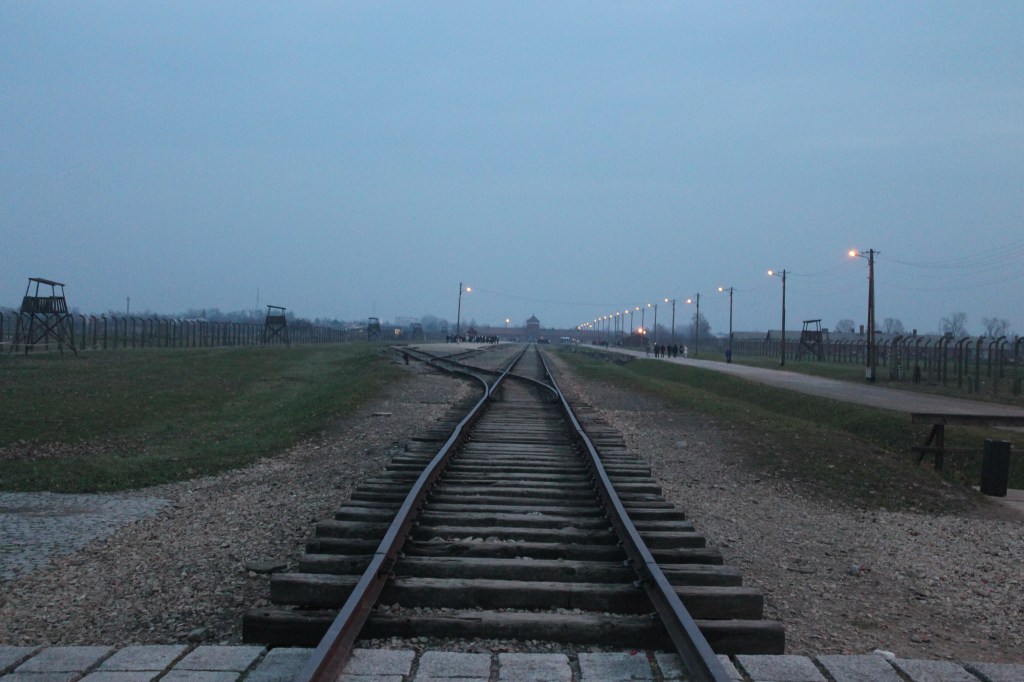
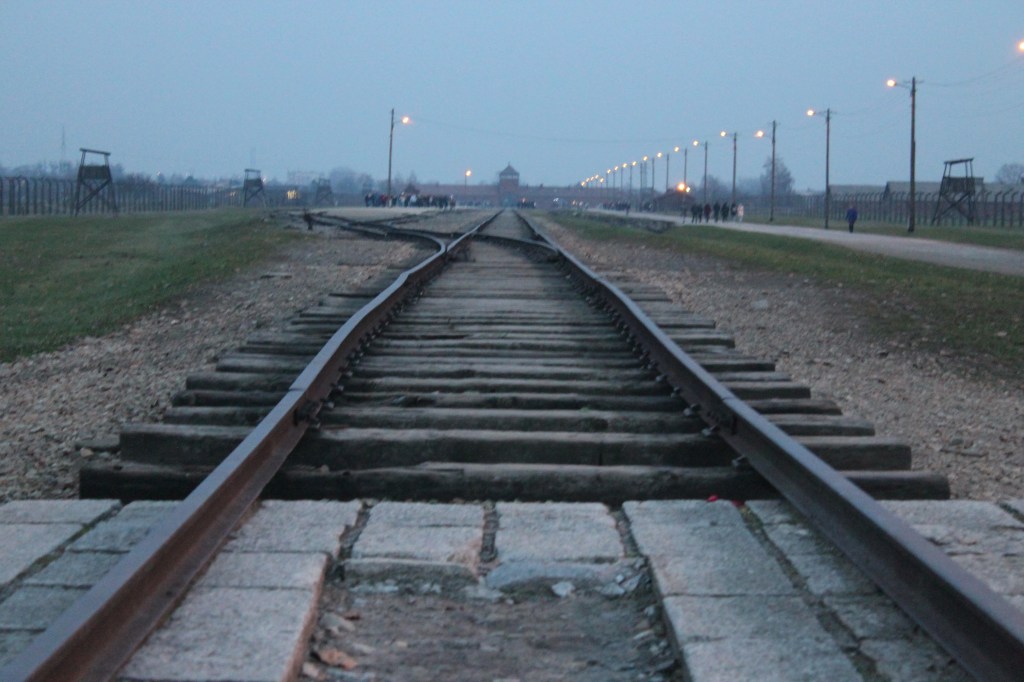
All photos were taken by George James during his visit to Auschwitz-Birkenau in 2018.
 Politics Hour