
By Ceri Jones
This week in the headlines came the shock resignation of Scotland’s First Minister Nicola Sturgeon after eight years in the role. Sturgeon will remain in post until her party chooses her successor as SNP leader. She has refused to back anyone as a successor, insisting there is a wealth of talent within the SNP.
"I have believed that part of serving well would be to know almost instinctively when the time is right to make way for someone else. And when that time came, to have the courage to do so, even if to many across the country and in my party it might feel too soon. In my head and in my heart I know that time is now. That it is right for me, for my party, and for the country."- Nicola Sturgeon
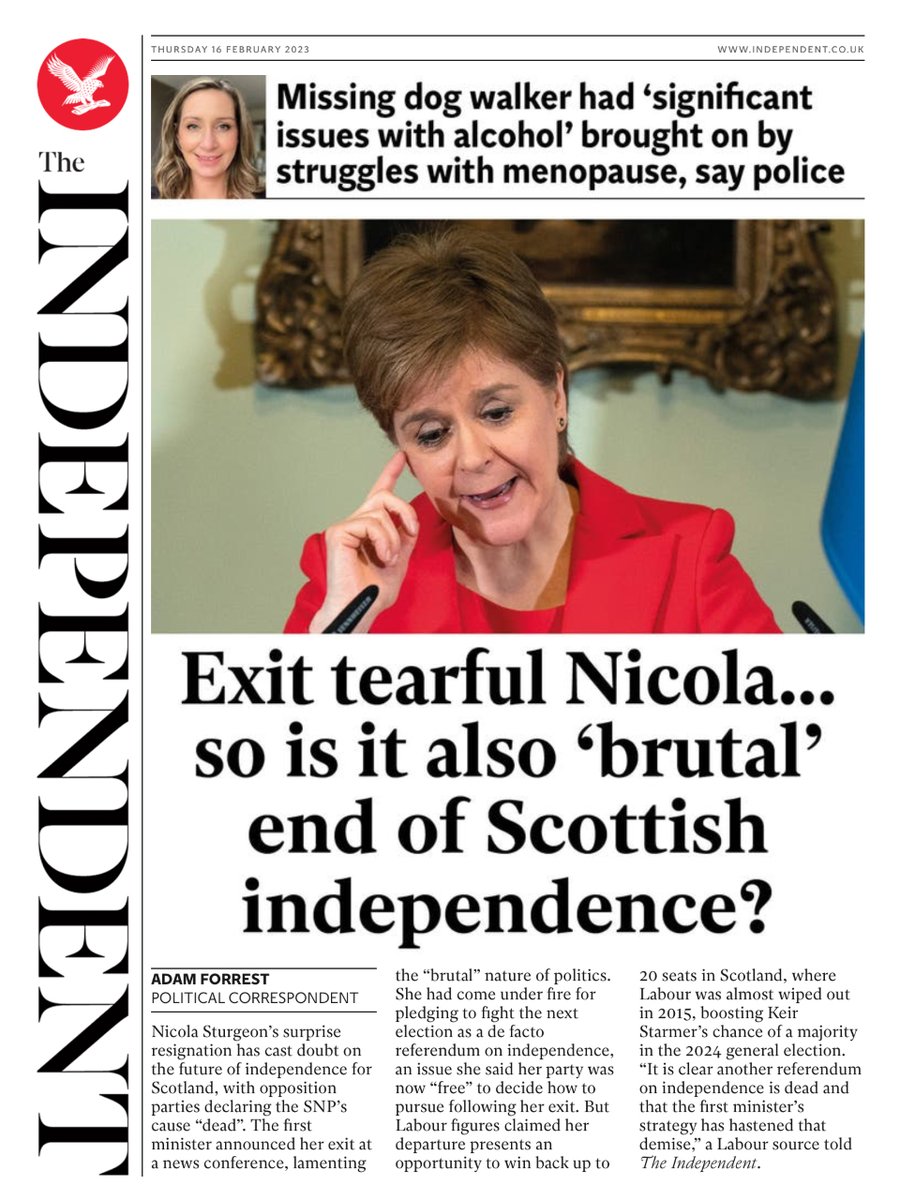
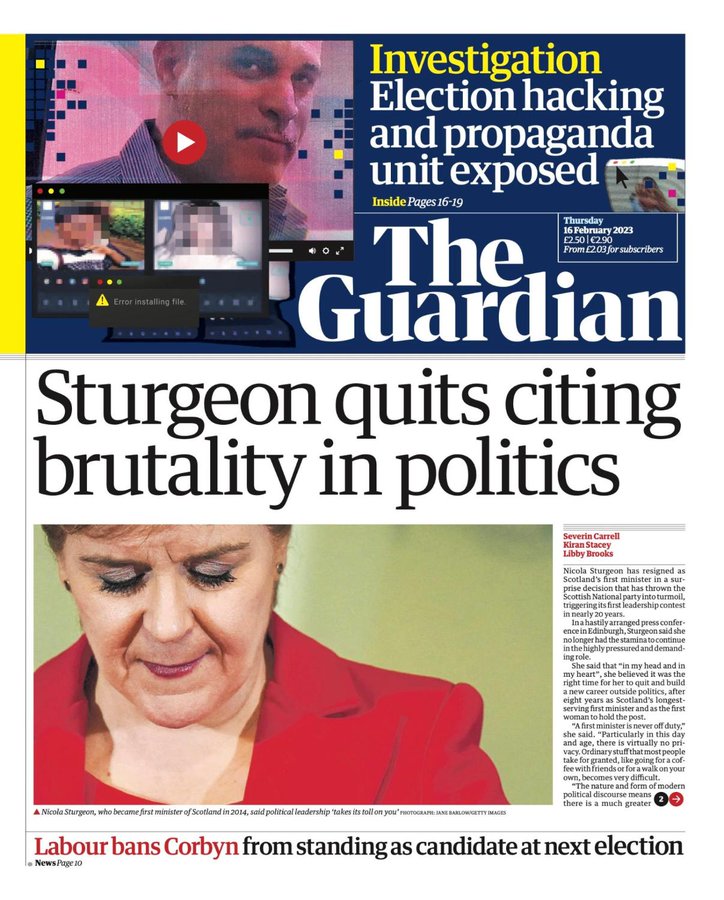
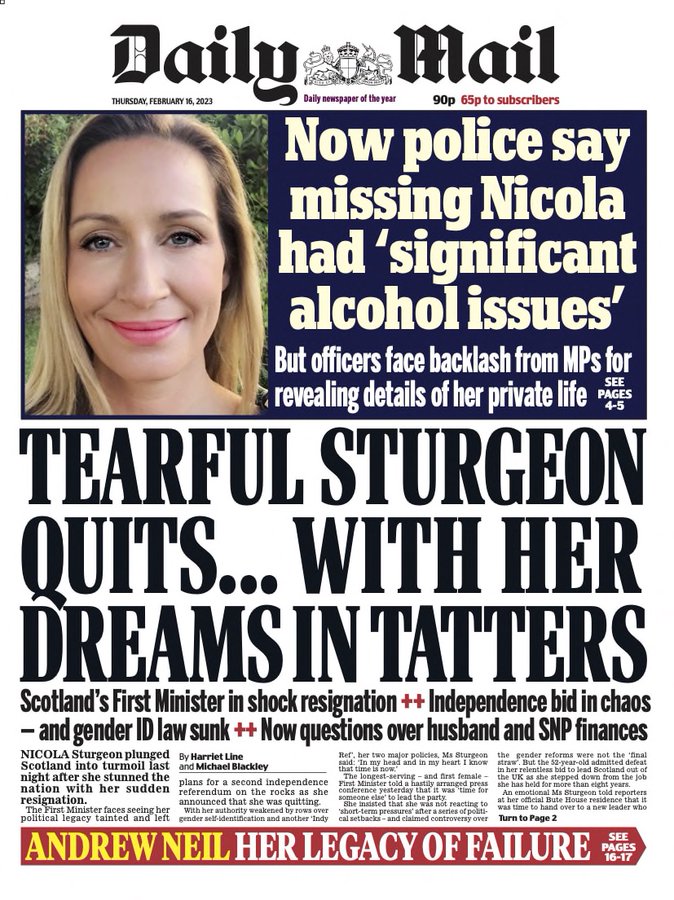
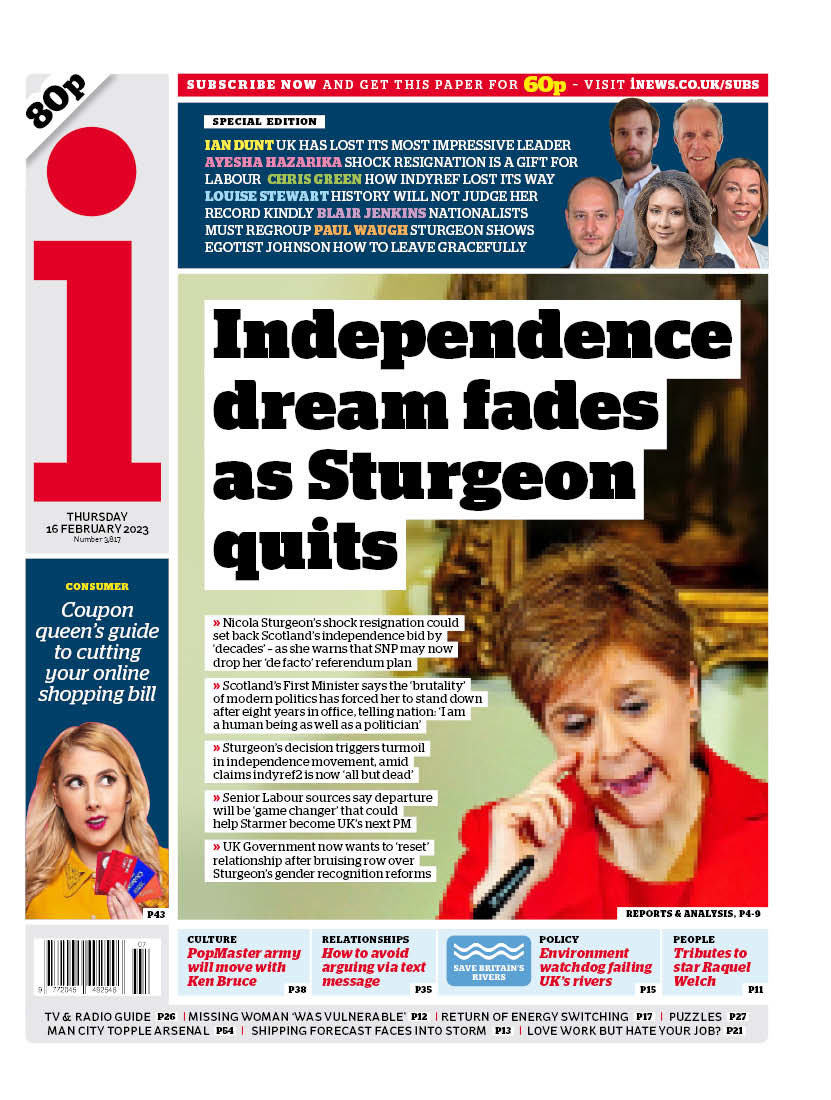
As she announced her decision to quit she said there was an increase in the “brutality of politics”. She insisted that this was a decision in the making over several weeks, although she had a recent clash in parliament over gender reform laws. Still, the news has come at huge surprise to many. And it seems Sturgeon is thinking about it both politically and personally, as she mentions her family in her speech and the toll it has taken.
“Now, to be clear, I’m not expecting violins here, but I am a human being as well as a politician.”
Nicola Sturgeon
But there are, of course, wider implications for the independence movement. Her predecessor has expressed concerns that the movement is now left with no clear strategy.
“…the movement has been left with no clear strategy for independence. The previously accepted referendum route has been closed and the de facto referendum/election proposal is now, at best, up in the air”.
Alex Salmond
Whilst Sturgeon has stated she will not be endorsing any candidate as her successor, what does appear is that whoever takes over the reigns will face a “range of serious Government policy challenges”. Potential successors include Finance Secretary Kate Forbes, Angus Robertson, Health Secretary Humza Yousaf, Mairi McAllan and Deputy First Minister John Swinney, amongst others.
Regardless, for many, Sturgeon’s resignation has incited an expression of gratitude for her efforts and respect for her time as First Minister.
This week I spoke to Professor Jonathon Tonge from the Department of Politics at the University of Liverpool. He specialises in devolution and kindly gave his time to speak to us on Beyond the Headlines to shed more light on the news and its potential implications.
“Under Nicola Sturgeon, the SNP got more votes than the Conservatives and Labour put together in Scotland.”
From being the first female First Minister in Scotland to her “remarkable” electoral success, the interview sheds light on Sturgeon’s lengthy political career and the troubles lying ahead for her new successor in achieving Scottish independence. Maintaining the SNP’s electoral popularity will be a crucial task for the next leader if they are to keep up the same momentum of the independence movement.
His outlook stressed how there is no real chance of a second independence referendum in the near future regardless, due to the refusal of the UK Supreme Court back in November 2022.
To hear the interview in full and for more stories, stream here on Spotify.
Special thanks to our guests who dedicated their time and knowledge this week- Professor Jonathon Tonge, Demi Babalola, Robert Routledge and Emma Carroll.
For more from Beyond the Headlines, follow our Instagram and Twitter and stream live every Friday at 9:30AM.
 Politics Hour