
14th March 2022
Written by Ffion Brighton
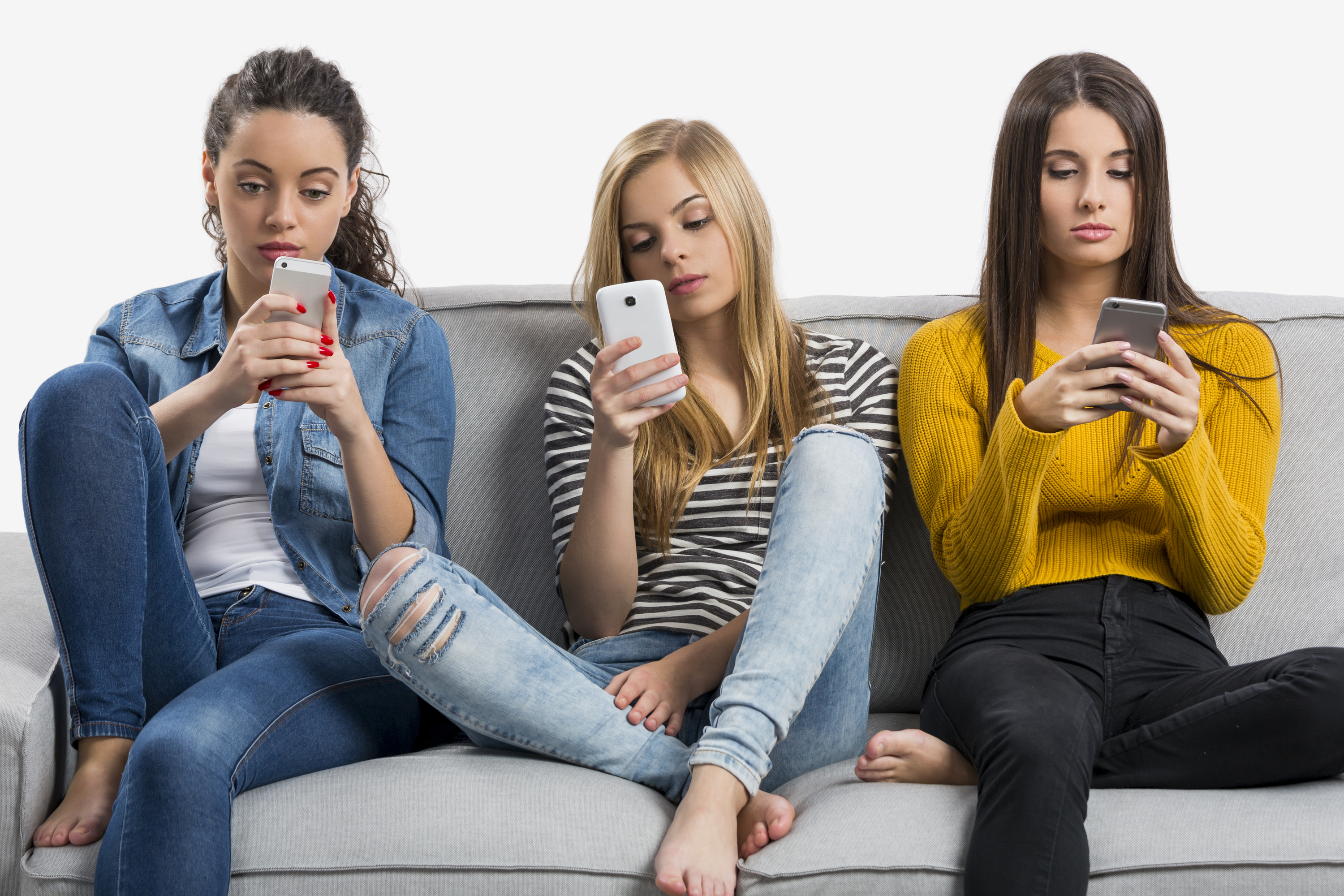
Sometimes all you can be bothered to do is stare at your tiny screen and scroll for hours on end. When you have an app that gives you a constant stream of indulgent content, why would you spend your time on anything else?
For the past 4 years, TikTok has become a staple form of social media for young people. It’s seen as such an attractive pastime that many people feel themselves constantly reaching for their phones instead of dealing with the effort of day-to-day tasks.
“TikTok makes me procrastinate a lot. I’ll postpone things I need to do and take way longer breaks as I think I’ll be on the app for only a few minutes, but I’ve actually been on it for half an hour.”
Ebony, Liverpool
What makes this app so addictive? Does constantly consuming quick-paced content decrease young people’s attention span? What can be done to break the habit of relying on your phone for entertainment? These questions were answered in a recent interview with the wonderful Professor Peter Kinderman, a clinical psychologist and professor at the University of Liverpool.
So, what makes this app so addictive?
“I’d say TikTok has shortened my attention span to some degree. It feels like nowadays if something doesn’t draw attention within like ten seconds, then you think ‘oh never mind’ and move on”
Richie, Liverpool
Professor Kinderman explained how the app is designed for you to be a consumer, and the payment is your attention. The algorithm is created to maintain your attention by feeding you catered content, making you want to scroll constantly. In his words, it’s like going to Morrisons and seeing a 2-for-1 offer on a packet of crisps. You may have gone to the shop intending to buy only the necessities, but now your attention is drawn to the deal. Ultimately, you feel compelled to consume something you crave rather than what you actually need.
This is just like what TikTok does. Maybe you went on your phone to reply to a message from your mate, but now you find yourself on the app, scrolling for hours because you’re getting more entertainment than you bargained for.
Is TikTok decreasing our attention spans?
When asking the public about their experience with the app, the majority felt they used it as a mode of procrastination
“It really does affect my productivity and getting out of bed, things like that. I could stay glued to the screen for hours and hours and hours.”
Brooke, Northern Ireland
Personally, I can relate to this. When a massive assignment is due, sometimes it can be so overwhelming that I feel drawn to the app instead of working on the important task. It made me wonder: Is the app actively decreasing our attention spans?
Professor Kinderman doesn’t think that’s the case. For generations, young people have been known for finding it difficult to pay attention for long periods of time. It is not a matter of our attention spans decreasing, but rather that we now have an app that is formatted to be attractive to those with low attention spans.
The prefrontal cortex doesn’t fully develop until the age of 25. This area of the brain assists us in self-discipline, impulse control, and postponing immediate gratification. This means that anyone under 25 will typically be drawn to TikTok and struggle to put their phone down.
Kinderman doesn’t think it’s the fault of the user, but rather the developer of the app. It is designed to keep your attention, and with young people’s prefrontal cortex not being fully developed, it is difficult to resist the urge to stop scrolling. Those who created the app know this and make money on the fact that they can hold your attention for hours on end.
In what ways can you stop becoming addicted to the app?
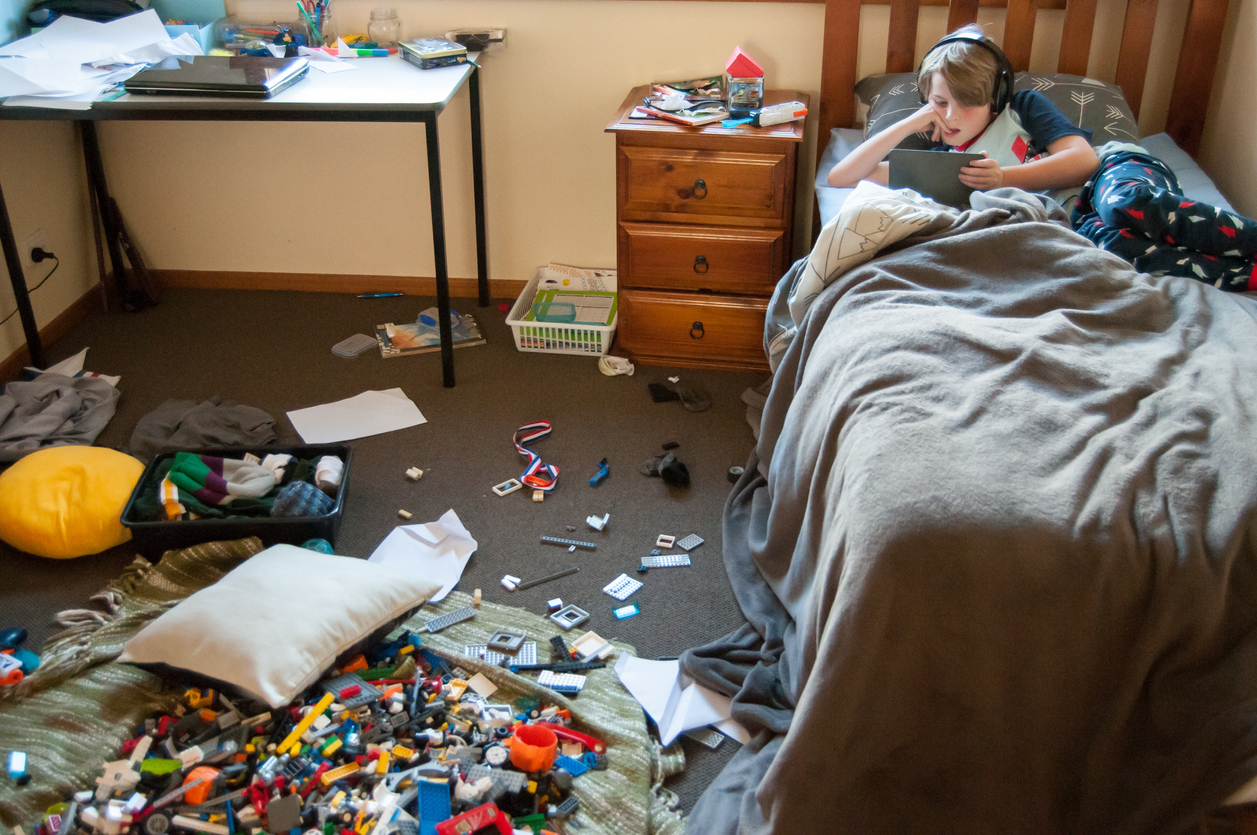
Kinderman suggests finding a process that works for you. He found that having his desk facing the window gave him enough distraction to actually focus on the work at hand. Crucially, you want to make the decision; only you have the control to want to make a change.
Deciding to better your life is a conscious choice, and thus with TikTok, it entails setting limits on ourselves. A great way to do this is to have timers on the app to limit your usage. It is also important to have a conversation with yourself about whether you are going on the app for actual enjoyment, or rather to distract yourself from the things in life that you are avoiding.
The Round-Up
Ultimately, TikTok has the potential to be addictive. It takes advantage of the fact that its users want the content they like on a continuous scroll. Its ‘For You’ page is literally designed just FOR YOU! However, listening and speaking to Prof Kinderman has made me more aware of the fact that it doesn’t have to be an app you can’t detach yourself from. And it goes without saying, the app has some terrific features. It is incredible for introducing people to new information and connecting them with others across the globe.
But, if you find yourself glued to the app, I think we both know it may be time to clock out.
Want to find out more? Head over to the Liverpool Politics Hour on Spotify, where you can listen to my interview with Peter Kinderman and get a greater insight into what makes TikTok so addictive to young people.
 Politics Hour