Should Britain Be Concerned About Increasing Celebrity Politics?

By Ceri Jones

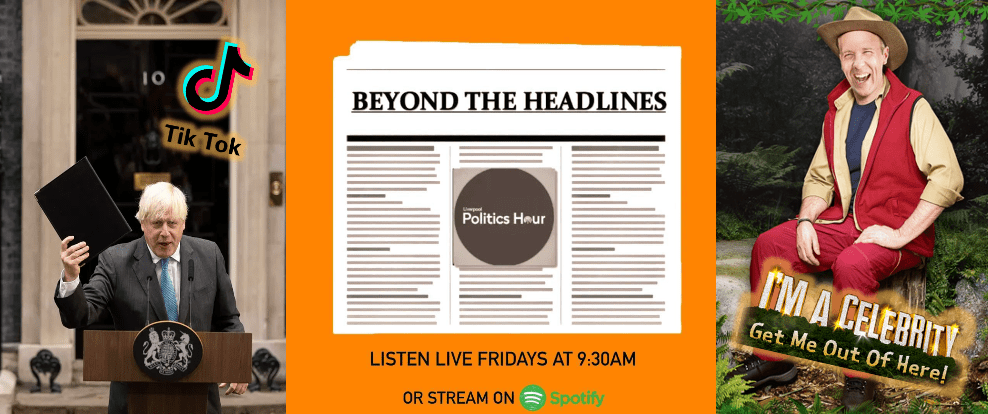
This week in the news once again appears a scandal involving Matt Hancock, as it is revealed he was paid £320K for his I’m A Celebrity appearance in 2022. The former health secretary and current MP for West Suffolk is still suspended from the Conservative party – a decision made due to taking time off from parliamentary duties to appear on the show.

Also this month comes the news of former Prime Minister Boris Johnson signing a book deal with HarperCollins, who have refused to reveal how much Johnson was paid. Like Hancock, he is still an MP for his constituency, Uxbridge and South Ruislip. This begs the question- are our politicians giving us too much celebrity at the expense of politics?

According to YouGov, it would seem celebrity politics already poses considerable concern-  52% of the population were opposed to celebrity involvement in politics. Yet somewhat hypocritically, the majority- 63%- said celebrity advocacy would have no bearing either positively or negatively on how they felt about politics. So the data indicates a public opposed to and sceptical about the influence of celebrity politics.

52% of the population were opposed to celebrity involvement in politics.

Celebrities in Politics

The main concern surrounding celebrity politics is simple- the concern that their influence is not ethical, lacks grounding and that celebrities simply aren’t qualified to talk politics.

“Don’t use it as a platform to make a political speech. You’re in no position to lecture the public about anything”

Ricky Gervais

There appears to be a digital divide with online influencers- 26% of young people are likely to be supportive of celebrity involvement in politics, compared to 2% of those aged over 65. So it seems celebrities could engage younger voters in politics- statistically the demographic with the lowest voter turnout- which can surely be regarded as a benefit for democracy.

The challenge comes when celebrities present discriminatory, misinformed and harmful views; Andrew Tate’s misogyinistic preaching and Kanye’s racist misinformation are just two viral examples. And according to the data it is the younger population who are most likely to engage with this content and have their views manipulated.

Part-Time Politics?

It’s not only celebrities themselves entering the political sphere which is on the controversial rise; the opposite is also true. The term ‘politician celebrity’ is not new- the idea of politicians trying to become celebrities. But it seems now more than ever that big political actors are joining the trend of personalisation.

The infamous example of course is Matt Hancock, who has undeniably become a celebrity following his reality show appearance. Many people warmed to the disgraced MP during the show (at least until it was revealed how much he earned during its production).

Whilst he is no longer secretary, he is, in theory, still a serving MP with parliamentary duties. Duties which he has undoubtedly neglected for his celebrity pursuits.

But Hancock isn’t the only Conservative MP honing in on the celebrity. It’s been reported that former Prime Minister Boris Johnson has signed a book deal this month, still also whilst remaining a serving MP. Are our elected representatives able to perform their roles whilst engaging in this celebrity behaviour? It seems increasingly that these celebrity pursuits are the new priority for politicians.

Perhaps there is deeper concerns to be had about this too- the cheapening of politics. Book deals, television appearances, even cameos (Nigel Farage in particular making some questionable videos) take away the sincerity of politics and increase our focus on the person, the scandal and the excitement.

Nigel Farage Cameo

The Round-Up

The public seems generally opposed to the idea of celebrity politics- both celebrity advocates and politicians’ attempts at popularity. Celebrities themselves must tread a careful balance between advocacy and ignorance, a line which the public themselves seems unsure of.

For politicians, the line is much clearer. The public is tired of the gimmicks and a return to ‘serious’ politics is welcome. Ex-politicians appearances on television shows may provide entertainment, but serving politicians need a severe re-evaluation of their priorities.

For more on this story, listen to Beyond the Headlines LIVE on Friday 9:30AM.

To catch-up and listen later, stream all episodes on Spotify- ‘Beyond the Headlines’ on Liverpool Politics Hour.

Qatar 2022: A reflection

By Matthew Bainbridge

Over the last month, large sections of our radio shows on the Politics Hour have been concerned with the World Cup in Qatar. On our Breakfast Show Beyond the Headlines we first discussed the issue of whether to boycott through a series of expert interviews and reports on the controversies clouding the event, before I then reported on how the world stage of Qatar had given rise to protest of the humanitarian issues plaguing it. Then, Dan Tagg interviewed a friend who had been following his country at the tournament to share his first-hand experiences, albeit with the limited scope of a straight white male. Whilst the Politics Hour’s other show, The Lunch Bunch produced a brilliant interview with Professor Laura McAllister, former Wales international footballer and and current Deputy Chair of the UEFA Women’s Football Committee, the woman at the centre of one of the aforementioned protests when wearing a rainbow bucket hat.

Like many, I have been guilty of getting distracted by the football. Selfishly and largely down to my own privilege I watched a good three quarters of what was certainly the best footballing World Cup of my lifetime. I will have enduring memories of sitting in the Guild of Students watching Japan shock Germany in the group stage with scenes of elation from Japanese international students; Saudi Arabia ending Argentina’s 36 game unbeaten run with a 2-0 win in their opening group game; the brief moment when the world stood still in anticipation of Harry Kane converting a second penalty against France before the English crashed down to earth; Morocco stunning Portugal to become the first African and MENA nation to reach the semi-finals of the World Cup. And then the final, watching the greatest footballer of all time, Argentina’s captain Lionel Messi put in one of the great footballing performances to finally win his nation a World Cup and complete his set of every trophy possible whilst Kylian Mbappe scored the first World Cup Final hattrick since Sir Geoffrey Hurst in 1966.

Qatar as a host nation and FIFA the footballing superstate had faded into insignificance, all the human rights abuses and issues over corruption that had dominated had vanished for many amidst reports of a well-run and successful World Cup, the safest of all time. But then came the trophy lift, FIFA President Gianni Infantino and Emir of Qatar Tamim Bin Hamad Al Thani took some of the limelight as they draped a bisht robe over Messi, a symbol of great honour in the Qatari culture reserved for kings and religious leaders. FIFA and Qatar wanted one last reminder of who had hosted this World Cup, but with it brought a flood of emotions, compounded by the BBC’s closing montage: the 6500 migrant workers who had died making this possible, some building the Lusail Stadium where Lionel Messi held the trophy aloft, the LGBTQ supporters who felt it impossible to travel to the tournament for fear of their own safety, the women’s rights issues that our radio show had discussed weeks prior, and less importantly, the shady figure of Infantino symbolising all the corruption that surrounds the modern game. For me and for many others now whenever that image is shared for decades to come obviously symbolising Messi and Argentina’s great achievement, it will also refresh the memory of all those who died needlessly making it possible and those who felt alienated and forgotten in the blatant disregard for their basic right to be. Laura McAllister summarised it well in her interview ‘the underbelly of discrimination and human rights abuses was very close and that was quite apparent whilst we were there’, this underbelly cannot be ignored forever.

So, thank you Qatar and FIFA, you gave us a wonderful display of football as what Arrigo Sacchi described as ‘the most important of the unimportant things in life’ but at what cost?

The interviews and reports mentioned about the World Cup from our radio show are all available to catch up with on Spotify at Liverpool Politics Hour. To get the latest information and news about the show follow us on Twitter @LSRPolitics.

Tough Times and Turbulence: Big Tech in Focus

Triumph or two steps back?

By Ceri Jones

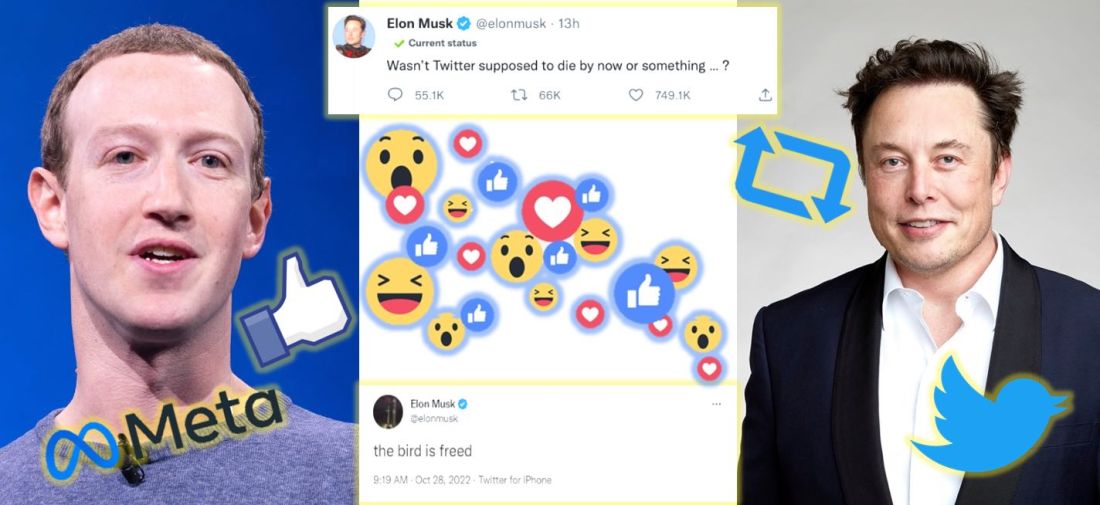
It’s been yet another chaotic week in the online world as Elon Musk continues on what can only be described as his Twitter rampage. After securing a $44 billion deal, Musk took ownership of the social media giant on October 27th. He swiftly dissolved Twitter’s board of directors and laid off almost 50% of hist staff. Seemingly, Musk has no regrets with the decision after posting a joke where he welcomes back “Ligma & Johnson”- two people who have never worked for Twitter.

Promising “free speech”, and envisioning a “digital town square”, Musk has invited former President Donald Trump back to the site following a poll he posted on the site. But what does Musk’s free speech agenda mean for democracy?

The promise of wider liberty and weaker censorship in some ways appears fruitful for democracy with its lucrative appeal of freedom of expression and removal of restrictions. Opinions that go against the hegemonic grain of society could be freely expressed without repercussions or the fear of being removed from the site.

Yet below the surface lurks a worrying and dark reality. The freedom to express hate speech, for bullying and discrimination. The freedom to spread more misinformation, to mislead and fabricate. These online dangers translate into real world violence and discrimination- a reason for Trump being removed from the site back in 2021. Does Musk’s invitation open the door to more of this? This is just one area in which Musk has faced staunch criticism.

“Please note that Twitter will do lots of dumb things in coming months. We will keep what works & change what doesn’t.”

@elonmusk

In turmoil for different reasons this month has been Meta, the parent company of Facebook, Instagram and WhatsApp. The company value has dropped by a whopping 74% this year as Zuckerberg focuses on the creation of the Metaverse at the expense of other businesses areas like the Facebook site, which is attracting too few young people and too little advertising.

The concept of the Metaverse-  a virtual world made up of very real people who have digital avatars– is not new. Some see it as a digital dystopia, others see it as a technological revolution.

Mark Zuckerberg sees the metaverse as a successor to the mobile Internet. He believes that the metaverse will remove passivity from people’s online experience.

metamandrill

Zuckerberg has been prioritising the so-called Metaverse over other areas of his business model, which has angered some of his shareholders. chilly, he maintains 54% of voting rights so has been able to continue his Metaverse mission.

 But his vision of a parallel reality where avatars are a representation of the human self is yet to prove itself profitable.  Will users truly buy into his vision of an immersive reality?

We spoke to Dr Liam McLoughlin, lecturer in Communications and Media at the University of Liverpool, to gain more insight into Twitter and Meta’s trials and tribulations. Listen to the extended interview below.

For more on big tech, as well as climate coverage, the World Cup, and more, listen to our show on Spotify.

Don’t forget to listen live every Thursday at 9:30 here!

The Iranian Problem: Should Iran be banned from the world cup?

By George James

In March earlier this year it was announced that all Russian clubs and the Russian National Team had received a global ban from both FIFA and UEFA competitions in the wake of Russia taking military action against neighbouring Ukraine. This of course means that Russia will miss the FIFA World Cup that is due to start on the 20th of November and now there are calls from across the globe to hand the same punishment to Iran.

The Ukrainian FA has appealed to FIFA to have Iran disqualified or banned from the world cup before it starts due to their supposed involvement in the ongoing conflict in Ukraine. This appeal from the Ukrainian FA came a week after the Shakhtar Donetsk CEO, Sergei Palkin, called upon FIFA to ban Iran from the world cup and instead replace them with Ukraine. Palkin made this call after it was claimed that 7 Iranian drones had been shot down in Ukraine during the Russian invasion according to Omar Garrick of The Athletic, but the Ukrainian FA’s appeal also took into account a number of Human rights violations that have taken place in Iran.

So what are the Human rights grievances the Ukrainian FA is talking about and are there grounds for Iran to be banned from the world cup?

The fourth general provision of FIFA’s statutes states: “Discrimination of any kind against a country, private person or group of people on account of race, skin colour, ethnic, national or social origin, gender, disability, language, religion, political opinion or any other opinion, wealth, birth or any other status, sexual orientation or any other reason is strictly prohibited and punishable by suspension or expulsion“. This provision is the key part of the argument for Iran to be banned from the world cup and this is because in Iran women hold less rights than their male counterparts in society such as hijabs being compulsory and women needing their husband or guardian’s permission to leave the country. FIFA is a sporting body and therefore there is the argument it should only concern itself with sporting matters and this is highlighted in the second part of FIFA’s fourth general provision which states: “FIFA remains neutral in matters of politics and religion” and it can easily be argued that the aforementioned issues would fall under a religious matter and therefore is out of FIFA’s domain. However, there is also a sporting matter that is well within FIFA’s domain that would legitimize a FIFA sanction on Iran.

In Iran women are banned from spectating sporting events in stadiums. This is a clear example of discrimination against a group of people on account of gender and therefore is “strictly prohibited” by the fourth general provision mentioned above. It is this clear breach of FIFA’s statutes that gives real substance to calls for Iran to be banned from the world cup.

England are set to play Iran in their opening game of the tournament on the 21st of November and Wales are due to play them 4 days later on the 25th and this has led to further calls for some form of action to be taken against Iran from in the UK. Liberal Democrat MP Layla Moran has written an open letter to England manager Gareth Southgate and captain Harry Kane urging them to make a display or gesture in solidarity with Iranian women who are “fighting for their civil liberties“. The issue of civil liberties in Iran has become particularly potent in world news due to massive protests, that have seen over 250 protestors die, following the death of Mahsa Amini on the 16th of September whilst she was in the custody of Iran’s Morality Police in Tehran for violations of Iran’s strict policy requiring women to cover their hair with a Hijab.

The issue is clearly highly contentious, and FIFA has controversially written to the 32 teams set to take part in the world cup and urged them to “focus on football”. According to the BBC the letter signed by Fifa president Gianni Infantino and secretary general Fatma Samoura reads:

“We know football does not live in a vacuum and we are equally aware that there are many challenges and difficulties of a political nature all around the world.

“But please do not allow football to be dragged into every ideological or political battle that exists.”

This letter appears to confirm FIFA’s position that they will not take action on Iran, either for their involvement in the Russia-Ukraine conflict or for their Human rights violations.

Why is no action being taken on Iran?

There are just over two weeks until the start of the world cup and therefore it would be highly impractical for Iran to be completely banned from the world cup. Palkin’s plea for Iran to be replaced by Ukraine would set a dangerous precedent as Ukraine failed to qualify for the world cup via the conventional qualification rounds. This means that awarding them a place at the world cup if Iran were to be disqualified could be deemed as unfair, as the rest of the nations that reached the same qualification stage as Ukraine are being overlooked in a sporting sense. Ukraine being awarded a place at the world cup is arguably deserved for the hardship that the country has gone through since February this year, but it could be deemed as immoral and unsporting for Ukraine to be awarded a place at the world cup for political reasons.

While a ban for Iran seems justified (based on their breach of the fourth general provision of FIFA’s statute), with just over two weeks to go it would be almost impossible to come to a fair decision (in a sporting sense) before the competition starts. Although a ban for Iran may be justified, awarding a world cup place to Ukraine purely for political reasons goes against the second part of FIFA’s fourth general provision as mentioned above. This also seems to be FIFA’s stance, as no action has yet been taken against Iran and FIFA’s urge to “focus on football” ahead of the world cup seems to imply that their position will not change.

This article further develops a chat on the most recent episode of the Liverpool Politics Hour: The Lunch Bunch & we think you should go and give that a listen too! Listen here: The Lunch Bunch

The Royal Relevance

How long will it be until the Royals become irrelevant?

For the first time since 1963, The Queen has pulled out of this year’s State Opening of Parliament and the reading of the Queen’s speech. Her eldest son Prince Charles will deliver the speech for her.  After advice from her doctors, the Queen has had to pull out due to “episodic mobility problems”, reluctantly,  Buckingham Palace added. Naturally, as the monarch goes through her 96th year she is finally showing signs of slowing down. In the last year she has missed events at Easter, including the Maundy Service, whilst also announcing that she would not host royal garden parties this year. With this information we can start to look forwards to see how the future of the Royal Family will unfold and affect our lives. Questions on tax payers money and their relevance will of course come to mind, but what other options could the public have on the table if we decided on abolishing our constitutional monarchy and getting rid of the royal family? 

For starters, The Queen is still very popular. It is quite the feat to be able to have your favourite son caught up in a scandal with Jeffrey Epstein and still maintain a 75% YouGov approval rating. There is without doubt a vicarious fascination with the royal’s lives, whether that be through film and TV series like the Crown or any tabloid newspaper gossip columns pondering over the hidden political meanings of the Queen’s dinner table cutlery arrangements. The money they bring into the country too cannot be overlooked, but ultimately they provide the function of national spirit and are essentially morale boosters for the public. The flipside is that this moral booster costs the tax-payer roughly £67m per year. But aside from when Prince Harry had backlash for his questionable Las Vegas or fancy dress antics, or when Prince Philip had his car crash, or Prince Andrew’s Pizza Express defence for the allegations put against him – the biggest danger to the Royal Family’s survival is the Queen’s death. Could Prince Charles being the next person to be crowned and on the throne change our opinion on the monarchy?  His approval ratings are significantly lower than even Wills and Kate. 

So let’s say that we voted in a referendum on removing the Royal Family… What would happen if the Queen, or King of England simply said no? Well the monarch still acts as head of the armed forces so technically they are all under their authority, all armed force members still swear allegiance to the Queen. Hypothetically if the Queen or King did not wage an all out war on the UK, the next question would be what political system would replace the constitutional monarchy? The UK would need a new head of state. This of course could be the Prime Minister, who has similar constitutional powers now, but another option could be a form of semi-presidentialism, where the Prime Minister and another elected official both run the country. For option one, total parliamentary democracy, the situation would mainly consist of removing the monarchy and then formalising parliament’s powers that pretty much existed already, just without the Queen overseeing everything in a ceremonial fashion. Option two of turning into a republic with some form of head of state would be a more complicated matter, you would have to redelegate all the existing prerogative powers.

Either way, these options are in no way swift and simple procedures that could happen anytime soon – but with the inevitability of death, there will surely be some question asked soon about the future of the royal family.

All eyes on the North

All eyes turned to the North of Ireland this week where elections for the 90-seat assembly took place.

It was only weeks ago that The Politics Hour covered the then fortunes of the beleaguered power-sharing arrangements in the North after it was collapsed by the Democratic Unionist Party (DUP) as a protest against the Protocol. More on that later!

In March, the decision by the DUP that Paul Givan would walk away as First Minister, the top post in The Executive, also resulted in Michelle O Neill, the deputy First Minister, being removed from her post by default given the joint nature of the office, which is part of a mandatory coalition.

The DUP was criticised by its opponents of playing politics in an attempt to shore up hardline loyalist votes, even at the cost of bringing government institutions down at a time when vital legislation needed passed and the budget for the next three years had yet to be agreed.

Then followed elections last week, which saw historic results. Sinn Fein was returned as the largest party at Stormont which entitles them to nominate Michelle O Neill as the first republican, and nationalist, to the post of First Minister.

However, that can only happen if the DUP nominate for the deputy First Minister post. That looks extremely unlikely at this stage and the hiatus at Stormont looks set to continue, maybe for months, with the DUP insisting that the Protocol must be scrapped before any Executive is again formed.

So, what exactly is the Protocol?

The Protocol was born out of Brexit. In 2016, the majority of people in the North voted against Brexit in the referendum.

The Protocol was agreed as part of the Brexit Withdrawal Agreement, negotiated between the British Government and the European Union. It is designed to place checks on goods travelling between Great Britain and the North, and onwards into the EU.

This ensures that vital cross-border trade between the north and south of Ireland continues as normal and prevents a return of checkpoints along the politically sensitive border that separates the country.

Political unionism, which supported Brexit, rejects the protocol, citing it as a threat to the constitutional arrangements of the union. In September of last year, the leaders of the four largest unionist parties in the North signed a joint declaration reinforcing their opposition to the protocol.

So, what happens next?

Some may say “so here we go again” as Stormont again looks like it is about to be lunged into crisis. That has been the case five times since the power-sharing institutions were formed as part of the international peace treaty, the 1998 Good Friday Agreement.

If the DUP do not nominate a deputy First Minister, then an Executive cannot be formed. Ministerial portfolios, apart from First and deputy First Ministers, from the last mandate will continue to be overseen by previous Ministers for six months, apart from that held by the SDLP. Their Minister lost her seat last week and the party has since announced it will go into opposition in the next mandate. If the stalemate continues, the North could be set for another election in 24 weeks

No surprise then that the rhetoric from parties remains much the same as it did when we interviewed them a few weeks back. Thank you to Professor Jon Tonge for talking with me – if you would like to listen to the full discussion and interview available on Spotify – click here: https://open.spotify.com/episode/6zkywXXujTlqU7QxKtICGR

Kaliyah Smith

Special report on Cressida Dick

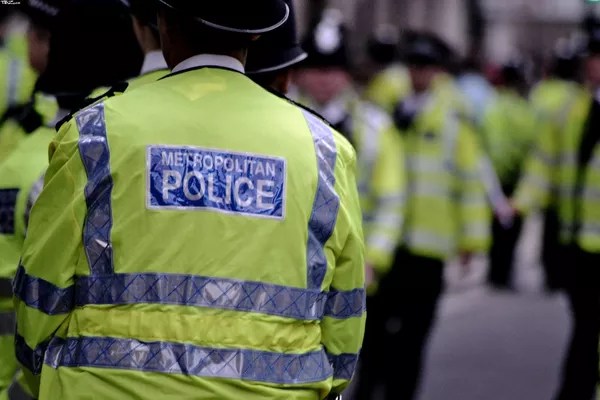
On Monday the 28th of March, Cressida Dick announced that she will officially step down in April from her position as Metropolitan’s Police Commissioner after months of mounting pressure to resign. But who really was Cressida Dick? What kind of legacy did she leave behind? And why did she resign? I’m Izzy McQueen with a special report on Metropolitan Police Commissioner Cressida Dick.

A Long history in the force
Cressida Dick has a long 39 year history in the police force, after completing her Bachelor of the Arts degree in Oxford, she initially worked as a constable in the Metropolitan Police in 1983. Dick quickly found herself climbing the ranks from inspector to chief inspector a decade later, and then chief superintendent shortly after that. After her masters degree in criminology in the early 200’s, she became commander and head of the diversity directorate. Dick continued to succeed and become head of multiple operations, such as overlooking security for the 2012 Olympics, and subsequent positions in the following years until she was finally announced head Commissioner of the Metropolitan Police in 2017. 

Cressida Dick on the announcement:  “I could not be more pleased, to be appointed as the commissioner it’s beyond my wildest dreams”. 

She was the favourite to become commissioner and hopes for the future of the Metropolitan Police under her watch were high. “The first female commissioner, the first gay commissioner as well, it was a momentous step” as reporter Danny Shaw described the reception of her in 2017.  Dick vowed to reform the police force, however she found herself instead facing scandal after scandal.

Scandals

Dick’s long history in the force before she became Met Police’s Commissioner was not without accused misconduct. Although she was largely welcomed into the position, the family of Jean Charles de Menezes protested her promotion from the start.

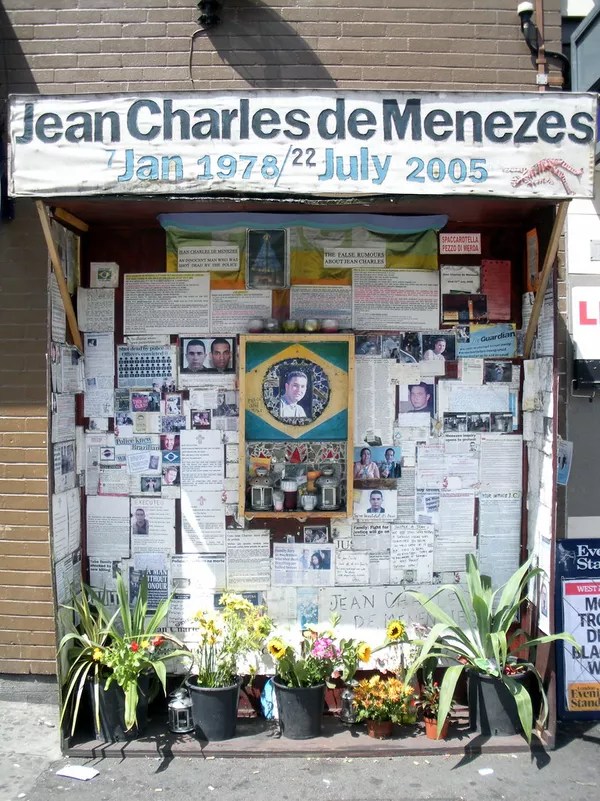
Jean Charles de Menezes

 Upon Cressida Dick’s appointment, the family of Jean Charles de Menezes released a joint response stating that “The message of today’s appointment is that police officers can act with impunity.”

 In July 2005 Jean Charles de Menezes a 27 year old Brazilian, was mistakenly repeatedly shot in the head in London’s Stockwell Tube Station after police thought he was a suicide bomber. Cressida Dick was gold commander in the control room for the operation at the time, and the responsibility was largely laid on her head. At the trials inquest she defended herself and her coworkers for their actions only leading to more distrust.  “If you ask me whether I think anybody did anything wrong or unreasonable on the operation, I don’t think they did.” Although in the court trial the Jury cleared her of any blame, her family and many others never did. 

Operation Midland

Between 2014 and 2016 Operation Midland was run with Assistant Commissioner Dick which looked into ultimately false claims by Carl Beech of a paedophilic ring of torture involving influential prominent figures. The price of such a mistake not only cost around 2.5 million, but led to falsely guided searches of former home secretary Leon Brittan’s home just six weeks after his death in 2016.

Stop and Search tactics

Since her appointment, the commissioner has come under fire for how stop and search powers have sharply increased and powers expanded under section 60 in 2019. This has subjected ethnic minorities across the country to “relentless searching without a demonstrable, legitimate purpose and sometimes several times a day” as Tory MP Rehman Chishti stated in a home affairs committee in 2019. Since then, statistics released by the Government show that individuals from a “Black or Black British background were searched at a rate 7.0 times higher than those from a White ethnic group”.


Sarah Everard 

Last year, Cressida Dick met calls from the public and senior MP’s to resign after the tragic kidnapping, rape and murder of Sarah Everard at the hands of serving officer Wayne Couzens in South London on the 4th of March 2021. Whilst home secretary Priti Patel defended the commissioner’s position, Labour MP Harriet Harman wrote in a public statement that women’s confidence in the police “will have been shattered” and a change of commissioner was needed to show change in the force. Criticism against the commissioner came again just 9 days after Everard’s murder with outrage over the aggressive policing and shutdown of a vigil for Sarah Everard in London as Channel 4 covered it. 

The court ruled that the met police ‘breached rights of organisers’ of the vigil marking yet another failing in the Commissioner’s handling. Yet, the Commissioner yet again defended her decision to stay in a public statement: “What has happened makes me more determined, not less to lead my organisation, I’ve listened to what people have said in the last week, I know that in the streets all across the UK women don’t feel as safe as we would all like women to feel, I didn’t want it to end like that lets have a review.”

Partygate

When the Downing Street Parties scandal initially surfaced, the Met police were called upon to handle the allegations. Yet for weeks the Met Police initially refused to investigate the alleged illegal gatherings. It wasn’t until a cabinet office enquiry was about to reveal its findings that Cressida Dick finally announced a criminal investigation, which subsequently meant that the investigation could not be published. Allegations that the commissioner favoured government members were responded to by Dick in a press conference in January

These actions prompted renewed outrage at the Commissioner as the Met changed their decision over whether to intervene  four times during the party’s scandal. On Tuesday this week fines were given to members involved. This investigation is still ongoing today, but to think that the Police were not even going to investigate the parties and now they hand out 20 fines just exemplifies the mistakes made by the Met Police Commissioner. 

Charing Cross Officers revealed Whatsapp Messages

It appeared as though the commissioner was unsinkable. Able to escape situations and retain composure which others would not have been able to accomplish. However with the recent Charing Cross scandal, it appears the commissioners’ luck has run out.

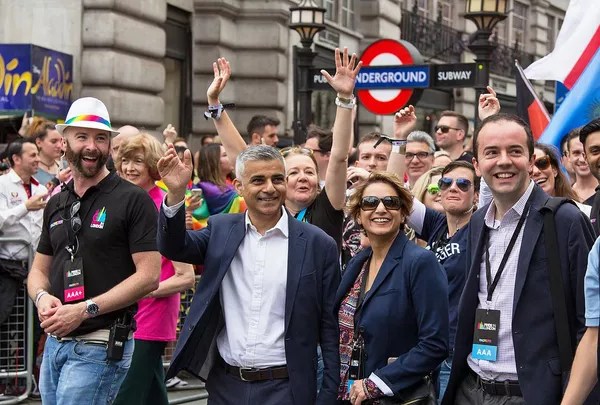
 On the 1st of February, Police watchdog revealed the Whatsapp messages of Charing Cross Police Station officers which were filled with racist and misogynistic content. The messages mocked BLM movement, disabled people, women and made jokes about rape. The pressure on the Commissioner this time not only came from the public, but from London Mayor Sadiq Khan who has allegedly ‘pressured’ her into resigning after putting her ‘on notice’, unsatisfied with her response to the Charing Cross scandal. Pressure which Priti Patel has announced will be investigated. The commissioner’s resignation came just hours after she insisted that she had ‘no intention’ of leaving her post. This clash of power from all three figures may have consequences on London’s Mayor.

Overlapping Power

https://wordpress.org/openverse/?referrer=creativecommons.org

Patel has described Khan’s interference in Dick’s resignation as a move which has blindsided her, and she has condemned it as an overall “shambolic” decision. Khan’s decision to not involve Patel in the fate of the Commissioner’s future has led to tensions between the two figures. Khan has the legal power to enact such actions surrounding Police Constables. Yet, Patel has since ordered a review into whether the Mayor followed proper procedures with the handling of the Chief Constable and plans to introduce new rules to diminish London Mayor’s power in such future decisions. This move has been criticised by City Hall for “wasting tax payers’ money” in a “politically motivated enquiry.” However, Patel’s punishment for Khan has not ended there. Patel’s new proposal announced in March for a First Past the Post (FPTP) system for mayoral and police and crime commissioner elections would make it easier for Conservatives to win in places such as London.

https://wordpress.org/openverse/?referrer=creativecommons.org

Dame Cressida Dick’s legacy is one filled with scandals. And one which has seemingly failed to improve and diversify the police force she controlled, driven to resign from the mounting pressure she faced. According to The Times, the commissioner will leave this post with a pension in excess of 100,000 a year. After 39 years in the force and five years as commissioner, do you think that such a sum should be rewarded to someone who has caused this many scandals and issues in their career? Let us know at our Twitter page @LSRpolitics on the poll, and find the podcast on Cressida Dick on our Spotify page Liverpool Politics Hour.

Izzy McQueen

Saudi Arabian ‘Sportswashing’

By Scott Duke-Giles

Back in October 2021, the £300 million takeover of Newcastle United by the Saudi Public Investment Fund (PIF) was completed and announced to the world. The enormous amount of money involved in this deal was obscene even by Premier League standards, as Newcastle comfortably became the club with the richest owners in the world. For context, the second richest owner of a football club is Manchester City’s Sheikh Mansour whose estimated net worth is £17 billion, whilst the PIF is thought to be worth an incredible £315 billion.

This takeover has caused concern and controversy. From a footballing perspective, the extraordinary wealth of Newcastle’s new owners mean they can afford to buy and pay any player they need. This criticism has been levied at Manchester City, who have won the league three out of the last four seasons (and look set to triumph this year too). In creating an uneven financial playing field, it makes the league predictable and somewhat boring when rich teams can coast to the top because levels of expenditure are irrelevant to them. It is probable that the newly ‘moneyed’ Newcastle United will contribute to this problem in the future.

Controversy is not confined to the sporting realm though. The PIF is the ninth largest fund in the world and will have vast influence over the Premier League and European football. Dr David Wearing spoke on the topic of ‘sportswashing’ and the motives behind the Saudi Arabian takeover.

“The Saudi regime is not buying Newcastle United because they are great lovers of football and they certainly do not have a great concern for the people of Newcastle and their concern with Newcastle United’s fortunes.”

“They completed the takeover for two main reasons. First is what is called sportswashing, which is authoritarian regimes using sports to whitewash their public image around the world. We have seen this in lots of instances – the Chinese with the 2008 Olympic Games, the Russians and the 2018 World Cup, Qatar with their ownership of Paris Saint Germain and Abu Dhabi’s ownership of Manchester City.”

“The second reason for buying the club is to invest in the wider community as well. One of the ways authoritarian regimes in the Gulf and the Middle East bind themselves to the big powers of the Global North (US, UK and France) is by investing in these economies.”

Newcastle United have struggled on the pitch this season, but thanks to big investment in players during the January transfer window, they have managed to get themselves out of the relegation zone this weekend. If Newcastle stay up and when they start the climb the Premier League table, debates around sportswashing are set to intensify.

Listen to a feature on this topic: https://open.spotify.com/episode/1Epn9oEKgNafMzUOlZM00z?si=86fd0bb622374f5d

Feature Image: https://www.libyanexpress.com/saudi-arabia-given-greenlight-for-newcastle-f-c-takeover/

The 2022 Portuguese Elections – a centre-left comeback?

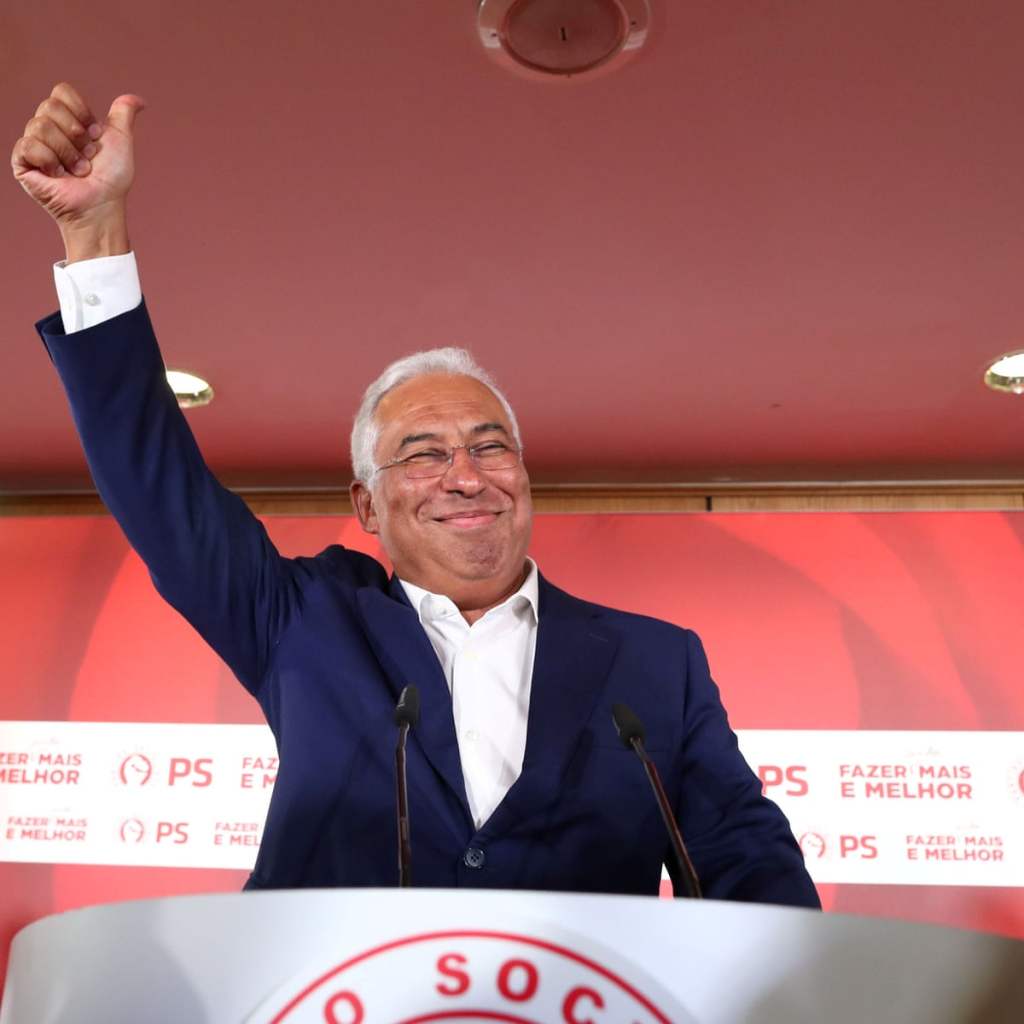
Portuguese Prime Minister António Costa celebrates winning an absolute majority in parliament.

by Josie Ella Sawtell Cousins

The 2022 Portuguese Elections – a centre-left comeback?

by Josie Ella Sawtell Cousins

The 2022 Portuguese Elections – a centre-left comeback?

by Josie Ella Sawtell Cousins

Last Sunday, Portuguese Prime Minister António Costa won a Third consecutive term with his Socialist Party securing an absolute majority in parliament.

The Socialist Party gained an unprecedented 41.7% of the vote, five points up and aequated to an increase of 11 seats to 2019.  The electoral results also put the Socialist Party ahead of the center-right Social Democratic Party (PSD) on 28 percent.

In response to the election victory Costa has said, “The Portuguese have confirmed that they want a Socialist Party government for the next four years … they want stability, certainty, and security.”

Following the electoral success of Germany’s SPD and Norway’s Labour Party a, many political academics have pointed to a comeback by Europe’s centre-left, a political movement that five years ago was in terminal decline. 

It seems the socialists Partys success in Portugal may be the icing on the cake. As Jon Lenley suggested in the Guardian “Costa’s win in Portugal continues comeback by Europe’s centre-left”. As Jeremy Cliffe highlithed in the News Statseman “Victory puts Portuguese Socialists at forefront of Europe’s centre-left comeback”

However, after speaking with Ms Ana Reimao, Lecturer in Portuguese Studies at the University of Liverpool, it seems the victory for the Socialists in Portugal hides deeper political shifts.

Firstly, as Ms Reimo highlighted, the most recent election may have marked the decline of coalition governments in Portugal. Since 2015, Costa has headed minority administrations propped up by two far-left parties. Last Sunday, the tables turned in Portuguese politics as

Costa gained a solid majority in Government.

Looking at in international level, it appears there is a significant decline in coalition governments. In 2020 Jacinda Ardern gained a landslide at the New Zealand election. Many political academics have suggested this may be due to Adhern’s effective response to the COVID-19 pandemic.

Therefore, as Ms Remiao pointed out, and further highlighted in the electoral success of

Costa and Adhern’s, it appears in times of significant socio-economic upheaval, COVID-19 being a key example, voters are increasingly in favour for a strong and stable form of Government. In the case of Portugal, this means a solid majority to the Socialist Party to Govern.

Moving on, as Ms Remio noted, The 2022 Portuguese Elections also marked an electoral  decline in the far left. The left-wing BE suffered the single greatest losses, falling from 19 seats to five following the results. Furthermore, the communist PCP gained only 4.4% of the votes, marking a decline in seats from 10 to just six.

As many have pointed to, the decline in the far left in Portugal may have further consolidated the Socialist Party’s victory on Sunday. As Ana Reimo further points out, tactical voting may have been critical to the Socialist Party’s victory on Sunday, with many Portuguese voters tactically voting for the Socialist Party to prevent the rise of the far right.

This trend of tactical voting is nothing new for European electoral politics. At the 2017 French Presidential Election, OpinionWay found that among those that voters for Macron, only 65 per cent said he was their top pick for president rather than, for example, the “least bad” candidate.

So, in analysing the Socialist Party’s victory on Sunday, it may mark a comeback of social democracy in Portugal, but ultimately at the expense of the far-left. 

As touched on previously, Last Sunday’s election also marked the parliamentary gains of the far right. The Far-right party Chega increasing their Parliamentary seats from 1 in 2019 to a landmark 12, making Chega the third biggest party in the Portuguese Parliament. These significant Parliamentary gains mean that Chega now qualify to form a parliamentary group, granting them greater influence and profile within the Assembly.

In Cas Mudde’s 2019 book, Populism: A Very Short Introduction, he suggested that

no country is immune to nativist, authoritarian and populist appeals. It appears the Parliamentary gains of the Far-right party Chega further confirm Mudde’s suggestion.

This may be a comeback to Social Democracy, but this is also a resurgence of the far-right in Portuguese politics.

However, as Ms Reimo noted, the Socialist Party’s third term in Government may mark a decline in the prevalence of the the Far-right party Chega. As Ms Reimo highlights, at present, Chega seems to adopt an ‘anti-system voice’. However, as of last Sunday’s election, Chega now hold significant representation within Portuguese Parliament, potentially discrediting their ‘anti-system voice’. What’s more, the Parliamentary representation of Chega provides greater legislative opportunities for the Socialist Party to challenge far-right political discourse.

So, whilst this election marked the Parliamentary gains of the Far-right party Chega, the Socialist party’s outright majority my potentially mark a prospective decline in Chega, due to the challenges associated with legislative power. However, it is important to stress that this claim is dealing with hypothetical, there is no significant data to back this claim up.

The Socialist Party’s absolute majority in parliament may be a comeback to Social Democracy the victory. But the victory hides deeper political shifts within the Portuguese electorate, ultimately reflective of wider political shifts in Europe.  

However, as an ancient adage suggested “With great power comes great responsibility”. Following the 2022 Portuguese Election, the Socialist Party hold great legislative power. It is clear they now have great responsibility, particarly in their COVID recovery programme and in legislative challenges to the fa-right.  

Thankyou to Ms Ana Reimao, Lecturer in Portuguese Studies for talking with me – catch up with our interview on the most recent Liverpool International Politics show. https://open.spotify.com/episode/1Epn9oEKgNafMzUOlZM00z?si=0c76af4fb59b4c9d

UCU STRIKES- from an international perspective

Today, strikes have begun across 56 universities today including the University of Liverpool. The University and College Union (UCU) have demanded a £2,500 pay increase for members, an end to “pay injustice”, a re-evaluation of the pensions scheme and zero-hours contracts action to tackle “unmanageable workloads”. But what does this mean for students? Do they attend or avoid classes, or should they join the picket itself?

On the one hand, the message from University of Liverpool’s Pro Vice-Chancellor Gavin Brown asks students in an open email to “assume all activities are going ahead and attend as planned unless you hear definitively from your lecturer or School Office that a teaching event will not take place”. On the other hand, the guild announced last night that their ‘preferendum’ (a referendum with more than one choice) on whether to support lecturers’ strikes passed. This was with 2184 points to fully support, 1564 votes to support UCU in their disputes but not in industrial action and 885 votes against. Subsequently they are calling on students to support the strike and not cross the picket line. Here are their six resolutions for the coming days:

  1. To officially support any industrial action that may take place.
  2. To release an immediate public statement showing support if staff take industrial action.
  3. To help educate students about any industrial action and explain why they should support it.
  4. To organise ‘teach-out’ events to bring staff and students together to learn and discuss a range of topics including the industrial action, trade unionism and higher education.
  5. To lobby the university to meet the demands made the University and College Union. 
  6. To not cross the picket line and safeguard students without ‘breaking the strike.’

But for international students and lecturers, even if they wanted to, striking isn’t really an option. International students with VISAS are required to have an 80% attendance rate to comply with their VISA. This means that they cannot miss out on more than just sixteen days of lessons. As a result, students are forced to decide between crossing the picket line to achieve attendance or risking deportation. For years, calls have been made for universities to stop monitoring the attendance of students during strikes by staff. Last year, the University of Liverpool came under criticism for warning undergraduates in an open email that it was “unlawful” to join pickets and for international students to remember they would be jeopardising their visa by not crossing the picket line.

 Ex- Liverpool University student Yidan Gao from Suzhou, China wrote to me about her troubles with VISAs and strikes in her time at the University. “I was really worried about my VISA situation, from first year to last I would be scared about getting ill and missing university and then when the strikes started me and my friends didn’t know what to do, we wanted to strike but how could we do that and risk getting sent back home?”

As these new strikes begin, whether you choose to cross the picket line or not, it’s important to remember our privilege in being able to decide whether or not we want to support the strike. Additionally, we should remember when seeing international students crossing the picket that the consequences for them are far more severe than for non-international students.

If you’d like to find out more on strikes, why they are happening and what students think, tune in to our podcast from last week to hear more: